
Workit Health
Workit HealthMedical
4.81.41K Reviews
- Version
- 4.7.2
- Installs
- 100.00K
- Age Rating
- Mature 17+
Screenshots
Our Review of Workit Health
 Analysis by Appyee
Recovery support is rarely convenient, private, and easy to fit around a normal day at the same time. Workit Health takes a clear approach: it brings expert care and medication support for opioid and alcohol recovery into an online medical app. After spending time with it, my view is that its biggest strength is not flashy technology, but the way it can reduce the practical barriers between deciding to seek help and actually starting a treatment conversation.
This is a Medical app from Workit Health, and it is free to install. It is aimed at adults dealing with opioid or alcohol use concerns, so the Mature 17+ content rating is important rather than decorative. The app has built a sizeable audience, with over one hundred thousand installs, a 4.8 average from around 2.7 thousand ratings, and roughly 1.4 thousand written reviews. Those figures suggest that many people find the service useful, although they should not replace a personal conversation with a qualified clinician about whether online treatment is suitable.
How the online recovery experience works in real life
The central appeal is access. Instead of making recovery support depend entirely on visiting a clinic during office hours, the app gives users a digital path toward professional care. That matters for people who work irregular shifts, live far from treatment providers, worry about being recognized in a waiting room, or simply feel overwhelmed by the first phone call.
I found the concept most convincing when thinking about the early stage of recovery. A person may be ready to ask for help but not ready to explain everything to a receptionist, arrange transport, or sit in a crowded clinic. An online starting point can make that first step feel more manageable. It does not make recovery effortless, but it can remove several layers of friction that often cause people to postpone care.
The app should be understood as a medical service rather than a sobriety tracker with motivational reminders. Its store summary focuses on expert care and medication for opioid and alcohol recovery, and that distinction shapes how I would use it. Someone looking only for a private journal, a habit counter, or inspirational daily messages may find the experience more serious and clinically oriented than expected.
That medical focus is also why I would not treat it as a self-guided experiment. Medication decisions, withdrawal concerns, and changes in substance use deserve professional oversight. The app can be a route into care, but it is not a substitute for emergency help. If someone is in immediate danger, experiencing severe symptoms, or unable to stay safe, an urgent local medical service is the appropriate choice rather than waiting for an online response.
A practical scenario where it makes sense
Imagine someone who has decided to address drinking but has a full-time job, family responsibilities, and anxiety about attending a local program. They can use the app as a structured entry point to seek expert support without making their first move visible to everyone around them. The useful workflow is to approach it with a short, honest account of current use, previous attempts to change, medications, and any health concerns. Preparing that information beforehand can make the clinical conversation more productive and reduce the temptation to minimize difficult details.
For a person dealing with opioid use, the same convenience can be especially meaningful when access to a nearby clinician is limited. Online care may help connect the person with a treatment pathway sooner than searching independently for providers. Still, convenience should not be confused with universal availability or suitability. A clinical team must decide what care can safely be delivered online, and the user needs to be prepared for the possibility that another setting will be recommended.
What I liked about the care-first design
The strongest part of Workit Health is its focus on a complete care conversation rather than a single motivational tool. Recovery is affected by physical health, mental health, medication, routines, relationships, and the risk of withdrawal. An app that places professional care at the center is better aligned with those realities than one that reduces progress to a streak or a daily score.
I also appreciate that the service covers both opioid and alcohol recovery. These are different clinical situations, and the app’s broad focus makes it relevant to more than one type of user. That does not mean the same plan will fit everyone. It means the app is positioned around treatment needs rather than a generic wellness message.
Another meaningful advantage is the possibility of continuity. People often lose momentum when support requires repeated travel, scheduling, and paperwork. An online service can make it easier to keep recovery connected to everyday life. That is particularly valuable for someone who has already tried to get help and found the logistics exhausting.
My advice is to use the app during a calm moment, not only when a crisis has already peaked. Write down questions before beginning, keep a record of relevant prescriptions, and think about what kind of support is realistic around work and home responsibilities. These small preparations are more useful than treating the app as something to open casually for encouragement.
The important limitations to understand
The biggest weakness is also built into its main advantage: online care cannot reproduce every part of in-person treatment. A video or digital consultation may be convenient, but it cannot provide the same immediate physical assessment, supervised environment, or local support network as a clinic. Someone with complicated medical needs, severe withdrawal risk, unstable housing, or an urgent safety concern may need a more intensive setting.
Privacy can be improved by using an app, but it is not automatic. A person sharing a phone, living with family, or receiving notifications on a communal device should think carefully about where and when they use it. I would choose a private space, review notification habits, and avoid discussing sensitive matters where other people can overhear. Digital convenience still requires personal privacy planning.
There is also an emotional limitation. An online appointment can feel easier to start, but some people need the physical presence of a counselor, peer group, or recovery community to stay engaged. Workit Health should not be viewed as a replacement for every form of support. In my opinion, it works best as a clinical anchor that can be combined with trusted people, local services, therapy, or mutual-support meetings when those options are appropriate.
Users should also expect a medical process, not instant access to a prescription simply because they have installed the app. Clinical assessment matters, and the care team has to judge what is safe and suitable. That may feel slower than a simple consumer app, but it is the responsible trade-off. Anyone seeking a quick medication transaction without a thorough evaluation is looking for the wrong kind of service.
Who should choose it, and who should look elsewhere
I would recommend Workit Health to an adult who wants professional support for opioid or alcohol recovery and values online access. It is especially appealing for people who face travel, scheduling, stigma, or provider-access barriers. It may also suit someone who has tried relying on willpower or tracking apps alone and now wants a more medically grounded plan.
The app is a stronger fit for a person willing to be honest and actively participate in care. Digital treatment still requires follow-through: responding to clinicians, attending appointments, discussing medication responsibly, and noticing changes in health or substance use. If someone expects the app to manage recovery automatically, the experience will probably disappoint.
I would be cautious about recommending it as the only option for a person in immediate danger, someone who may need supervised withdrawal, or anyone whose health situation is too complex for remote assessment. In those cases, an emergency department, local addiction service, or in-person medical team may be better. Likewise, a person who mainly wants peer connection may prefer a community-based program, while someone seeking therapy for an underlying condition may need a dedicated mental-health provider alongside recovery care.
The app’s age rating reinforces that this is not designed as a general family wellness product. It deals with mature medical and substance-use issues, and I would not suggest handing it to a teenager as a casual recovery tool. Younger users need age-appropriate professional guidance and a trusted adult or healthcare pathway.
Details that matter before starting
Workit Health is free to download, which lowers the barrier to exploring the service. However, “free” should not be interpreted as a promise that every aspect of medical care will have no cost. Healthcare can involve eligibility, coverage, or payment considerations, so I would review the practical terms carefully before relying on it as a complete treatment plan.
The app was released on August 6, 2018, and its current version is 4.7.2. It supports devices running operating system version 9 or later. Those details are useful when deciding whether an older phone can handle the app, but compatibility is only the first check. For a medical service, I would also make sure the device has a dependable connection, enough battery, and a private place for consultations.
The high average rating is encouraging, but ratings in a medical category need context. A positive experience may reflect easy access, compassionate communication, or a successful treatment journey, while another person may find the service unsuitable because their needs require in-person care. I see the rating as a sign that the app has helped many users, not as evidence that it can solve every recovery situation.
One practical tip is to avoid judging the service after a single brief interaction. Recovery care is personal, and the value may come from building an accurate clinical picture over time. Keep notes about symptoms, cravings, medication questions, and situations that increase risk. Bringing those observations into appointments can make online care feel less passive and more collaborative.
A second tip is to separate convenience from secrecy. Privacy can make it easier to seek help, but recovery usually becomes stronger when at least one safe, reliable person knows what is happening. The app can support the medical side of the process; a trusted friend, family member, sponsor, therapist, or local group may provide the practical and emotional support that a digital appointment cannot.
A third trade-off is flexibility versus structure. Online care may fit around a busy schedule, but that flexibility can also make it easier to postpone appointments or ignore warning signs. I would place reminders in a calendar, choose a consistent time for checking in, and treat clinical tasks as appointments rather than optional app activity. The less organized the surrounding routine, the more deliberate the user needs to be.
My final assessment
Workit Health succeeds because it treats opioid and alcohol recovery as a medical matter that deserves expert attention, while making the first steps more accessible through an online format. I found its strongest argument simple: when travel, stigma, or scheduling keeps someone from seeking help, a digital care pathway can turn intention into action.
Its limitations are serious but reasonable. It cannot provide every form of physical assessment, emergency support, or human connection, and it should not be used as a shortcut around clinical judgment. The right question is not whether online care is universally better than a clinic. The better question is whether this format helps a particular person begin and maintain appropriate treatment.
For adults seeking professional recovery support and comfortable handling healthcare through a phone, I think it is worth considering. For urgent situations, complex medical needs, or people who depend on face-to-face community, another option may be safer or more effective. My recommendation is therefore positive but specific: use Workit Health as a serious entry point to recovery care, prepare honestly for the clinical process, and build additional local or personal support around it when needed.
Verdict
Strengths of Workit Health
- Personalized support can make recovery feel more structured.
- Telehealth access reduces the need for frequent in-person clinic visits.
- Private app-based communication may feel less intimidating for some users.
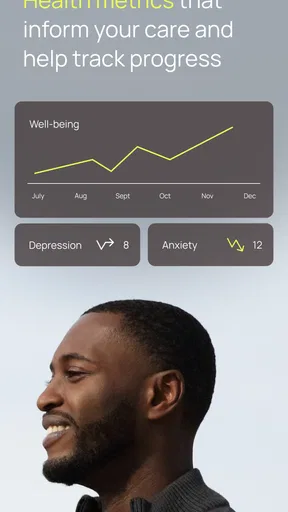
- Progress tracking helps users monitor treatment goals and milestones.
- Educational resources can improve understanding of substance use and recovery.
Limitations of Workit Health
- Availability and treatment options may vary by location.
- Some features may require a paid membership or insurance coverage.
- Virtual care may not suit users needing immediate in-person support.
- The app depends on a stable internet connection and compatible device.
- Sharing sensitive health data may concern privacy-focused users.
Similar Picks in This Category
View All
WebMD: Symptom Checker
WebMD, LLC4.1

Microphone Amplifier
DOSA Apps4.2

Anatomy Learning - 3D Anatomy
3D Medical OU4.5

Period Tracker and Calendar
SimpleInnovation4.9

GoodRx: Prescription Coupons
GoodRx4.8

CVS Health
CVS Pharmacy4.5
Frequently Asked Questions
What is Workit Health, and who is it designed for?
Workit Health is a digital addiction-treatment platform that provides recovery support through a mobile app, online lessons, coaching, peer communities, and, in some programs, medical care. It is primarily designed for people seeking help with alcohol or substance use, including opioid use disorder. The exact services, treatment options, and availability may depend on your location, eligibility, and the program selected.
Does Workit Health provide medication-assisted treatment?
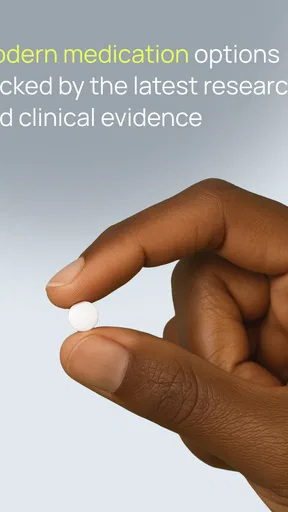
Depending on the program and your eligibility, Workit Health may connect users with licensed medical professionals who can evaluate whether medication-assisted treatment is appropriate. For opioid use disorder, this can include medications such as buprenorphine, but prescriptions are never guaranteed and require a clinical assessment. Users should provide accurate health information and follow all medical instructions rather than treating the app as a replacement for emergency care.
How does the Workit Health app support recovery?
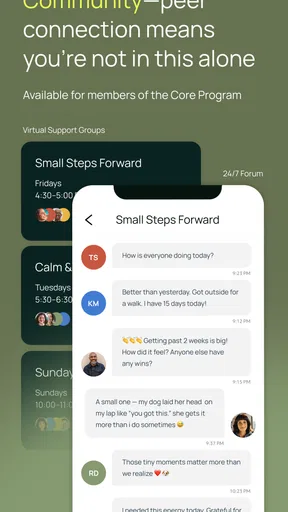
The app combines structured educational content with recovery exercises, progress tracking, coaching, and access to supportive communities. Lessons commonly focus on cravings, triggers, coping strategies, motivation, and relapse prevention. In my experience, the platform is most useful when used consistently rather than occasionally. It offers practical guidance and accountability, although results can vary significantly depending on personal circumstances and engagement.
Is Workit Health private and secure to use?
Workit Health handles sensitive health and recovery information, so privacy is an important consideration before signing up. The service uses account controls and healthcare privacy practices, but users should still review the current privacy policy, terms of service, and any consent forms carefully. Avoid sharing unnecessary identifying details in community areas, use a strong password, and understand how information may be used for care, support, or administration.
Can Workit Health replace a doctor, therapist, or emergency treatment?
No. Workit Health can supplement recovery care, but it should not be considered a complete replacement for emergency services, in-person medical attention, or specialized therapy when those are needed. If you experience an overdose, severe withdrawal, suicidal thoughts, chest pain, breathing problems, or another urgent condition, contact local emergency services immediately. Before downloading, confirm that the available program meets your clinical needs and location requirements.
